


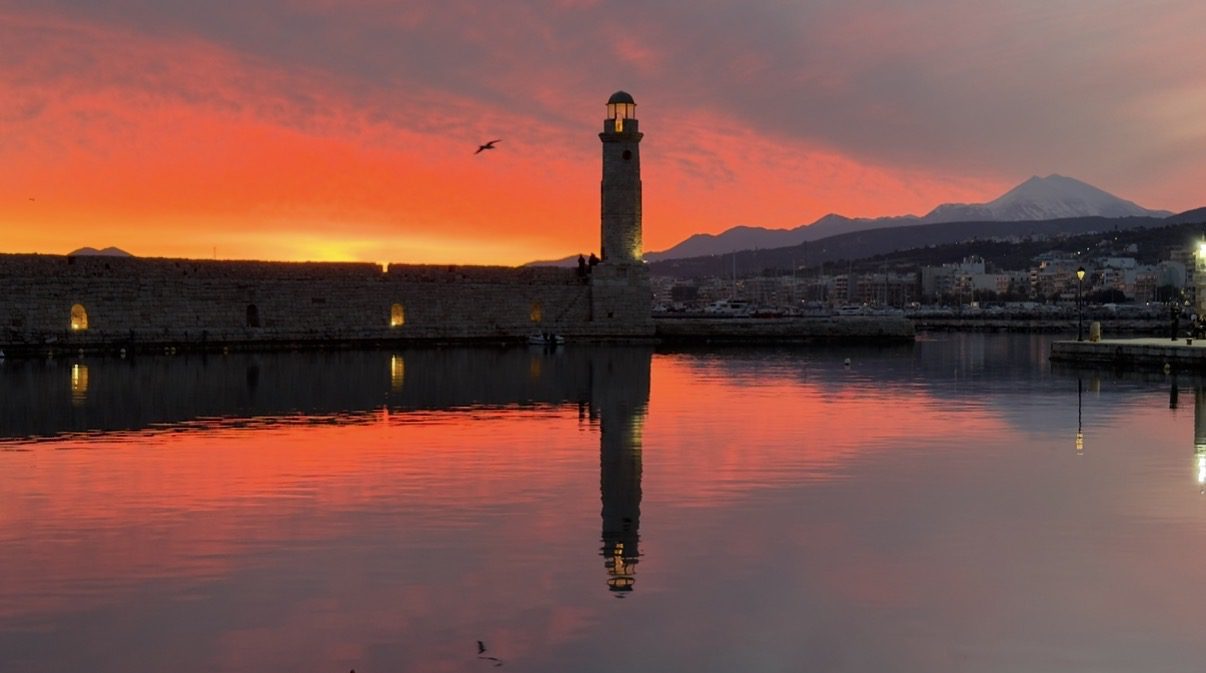

Yes—you can swim at Rethymno (Rethymnon) Beach, and for most visitors it’s a safe, easy, “walk-in” swim thanks to its long sandy shoreline and generally shallow entry. But like anywhere on Crete’s north coast, conditions change with wind and weather, so there are a few local specifics to know to swim comfortably and safely.
Below is a detailed local guide to help you decide when and where to swim, what to watch out for, and what alternatives are nearby if the sea is rough.
What Rethymno Beach is like for swimmers
A long, sandy “city beach”
Rethymno’s main beach starts at the east side of the Venetian harbor and stretches for many kilometers toward Platanias and Adelianos Kampos. It’s one of the longest continuous sandy beaches on Crete, so even in high season you can find quieter pockets if you walk 10–20 minutes away from the old town promenade.
Shallow entry = family-friendly
The seabed shelves gently, making it good for:
-
kids and nervous swimmers
-
casual floating and wading
-
long, relaxed swims parallel to shore
Water clarity is usually good in summer, especially early in the day before wind picks up.
Sea state: calm mornings, breezier afternoons
Local pattern on the north coast:
-
Morning: often glassy or lightly rippled → best time for swimming.
-
Afternoon: northerly breeze can build chop and shore break.
In July–August, meltemi pulses can make waves strong enough to trigger red flags for a day or two at a time.
Safety and lifeguards
Lifeguards in summer
On organized parts of the beach, trained lifeguards are typically on duty daily in the summer season, with towers spaced along the busiest sections. The current regional schedule places lifeguards on duty on organized beaches from June 1 through summer, roughly 10:00–18:00.
If your readers are visiting with children or weak swimmers, tell them to choose a section with a tower and flags.
Flag meanings you’ll see
-
Green flag: safe to swim.
-
Yellow flag: swim with caution; moderate surf/currents.
-
Red flag: do not swim (strong currents/waves).
-
No flag: unorganized or out of season; rely on your own judgment.
Even strong swimmers should avoid entering on red-flag days because currents pull sideways along the shore, and lifeguards may intervene or issue fines depending on municipality practice.
Water quality and Blue Flag status
Many Rethymno beachfront sections hold or have held Blue Flag designation, which requires tested water quality, safety, and facilities.
This is one reason the beach is a dependable choice for everyday swimming in season.
Where you shouldn’t swim (rare but important)
Swimming is prohibited only in specific, clearly signed areas, such as:
-
near ship anchorages / harbor approaches
-
close to outflows (within ~200 m)
-
near river mouths
These zones must be marked with warning signs.
Practical local tip: in Rethymno town, avoid swimming right next to the harbor walls and any spot with visible pipes or “unsafe water” signage.
Best spots along the beach for swimming
Because it’s one long strip, “best” depends on what you want:
1) Old Town / Marina end (west)
-
closest to the city center
-
lively, lots of cafés and sunbeds
-
can be busier and slightly more wave-exposed
Great for: quick dips, families staying in old town hotels.
2) Central promenade sections
-
fully organized
-
many lifeguard towers
-
easy access, showers, changing cabins
Best all-around for most visitors.
3) Toward Platanias (east)
-
wider sand, a bit more space
-
still organized but calmer vibe
-
excellent for long swims
Locals who swim daily often prefer these stretches.
When is the sea warm enough to swim?
Typical north-Crete swimming comfort (approximate, varies by year):
-
May: refreshing but swimmable for many (around 19–21°C).
-
June: comfortable (21–24°C).
-
July–August: warmest (24–27°C).
-
September: still excellent (23–26°C).
-
October: cooler but ok on sunny days (21–23°C).
Early fall is a local favorite: warm water, fewer flags, fewer crowds.
Things swimmers should watch for
Wind & current days
If you see:
-
whitecaps offshore
-
steep waves breaking fast
-
red flags or lifeguards whistling swimmers out
…pick a different beach for the day (see alternatives below).
Heat + long swims
Rethymno’s beach is deceptively long. Encourage:
-
swimming earlier in the day
-
drinking water between swims
-
using shade breaks (umbrellas or beach bars)
Facilities that matter for swimmers
Rethymno’s main beach is well set up in season:
-
sunbeds & umbrellas
-
showers
-
lifeguards
-
beach bars / tavernas
-
watersports zones
-
accessible entry points in many locations
Tell readers that if they want a quieter natural swim, they should walk east past the densest sunbed lines.
If the flags are red: best nearby alternatives for swimming
On meltemi days, a short drive gives you sheltered water.
Toward the north coast (often calmer bays)
-
Bali beaches (small coves, very wind-protected)
-
Panormos harbor beaches
South coast (usually different weather system)
-
Plakias
-
Damnoni
-
Preveli (river + sea; stunning but more adventurous)
These are consistently recommended for good swimming when the north coast is rough.
Local rule of thumb: if Rethymno town beach is red-flagged, Bali is usually swimmable.
Who is Rethymno Beach best for?
Great for:
-
families with kids (shallow entry + lifeguards)
-
casual swimmers and floaters
-
people staying in Rethymno town who want an easy beach day
-
sunset swimmers (west end glow is gorgeous)
Less ideal for:
-
travelers who need guaranteed calm water every single day in peak meltemi season
-
snorkeling fans looking for rocky reefs (sand dominates here)
FAQs
Is Rethymno Beach safe to swim?
Yes, especially in organized sections with lifeguards and green/yellow flags. Avoid swimming on red-flag days when wind creates strong waves and currents.
Does Rethymno Beach get waves?
Yes. It’s on Crete’s north coast and can get moderate surf, especially in the afternoon or during meltemi wind spells.
Are there lifeguards at Rethymno Beach?
Yes in summer on organized sections, typically June through early autumn during daytime hours.
Is the water clean in Rethymno?
The main beach has Blue Flag sections and regular water-quality monitoring, and is considered clean for swimming.
Where is swimming not allowed?
Only in clearly signed prohibited zones near harbor/anchorages, outflows, or river mouths.
38 Comments
Anonymous
2:56 am January 30, 2026去死吧,垃圾
烂到他妈极点的垃圾
Anonymous
3:08 am January 30, 2026婊子养的傻逼
操蛋的狗屁
Anonymous
3:30 am January 30, 2026婊子一样的破玩意儿
滚他妈的垃圾
Anonymous
5:09 am January 30, 2026臭婊子去吸吧
去死吧,垃圾
Anonymous
6:31 am January 30, 2026去舔鸡巴
滚他妈的垃圾
Anonymous
6:44 am January 30, 2026廉价婊子
群婊子垃圾狗屎玩意儿
Anonymous
8:32 am January 30, 2026神经病一样的垃圾
滚他妈的垃圾
Anonymous
9:13 am January 30, 2026该死的垃圾玩意儿
该死的垃圾玩意儿
Anonymous
9:40 am January 30, 2026他妈的贱货
蠢逼婊子
Anonymous
9:40 am January 30, 2026去他妈狠狠干
滚他妈的垃圾
Anonymous
10:54 am January 30, 2026婊子一样的破玩意儿
傻逼都给我滚
Anonymous
11:40 am January 30, 2026操蛋的狗屁
去吸鸡巴
Anonymous
3:10 pm January 30, 2026他妈的贱货
真他妈烦
Anonymous
5:30 pm January 30, 2026婊子养的傻逼
去你妈的
Anonymous
6:52 pm January 30, 2026该死的垃圾玩意儿
去吸鸡巴吧,杂种
Anonymous
7:19 pm January 30, 2026烂到他妈极点的垃圾
垃圾
Anonymous
7:20 pm January 30, 2026纯他妈是狗屁
纯他妈是狗屁
Anonymous
7:21 pm January 30, 2026臭婊子去吸吧
操蛋的垃圾货
Anonymous
3:01 am February 3, 2026蠢逼婊子
去吸鸡巴
Anonymous
5:54 am February 3, 2026操蛋的贱种
垃圾
Anonymous
11:28 am February 3, 2026真他妈烦
蠢逼婊子
Anonymous
11:46 am February 3, 2026蠢逼婊子
垃圾婊子
Anonymous
9:44 pm February 3, 2026群婊子垃圾狗屎玩意儿
婊子一样的破玩意儿
Anonymous
11:24 pm February 3, 2026狗杂种傻逼
去死吧,垃圾
Anonymous
2:18 am February 15, 2026去吸鸡巴
臭婊子贱货
Anonymous
2:46 pm February 28, 2026去死吧,垃圾
蠢货
Anonymous
6:19 pm February 28, 2026该死的垃圾玩意儿
去他妈狠狠干
Anonymous
6:30 pm February 28, 2026神经病一样的垃圾
狗屁玩意儿
Anonymous
8:29 pm February 28, 2026垃圾
狗杂种傻逼
Anonymous
10:21 pm February 28, 2026该死的垃圾玩意儿
去死吧,垃圾
Anonymous
2:25 am March 1, 2026垃圾
傻逼都给我滚
Anonymous
7:27 am March 1, 2026烂到他妈极点的垃圾
臭婊子去吸吧
Anonymous
9:44 am March 1, 2026操蛋的狗屁
操蛋的狗屁
Anonymous
9:53 am March 1, 2026去死吧,垃圾
臭婊子去吸吧
Anonymous
2:12 pm March 1, 2026他妈的贱货
该死的垃圾玩意儿
Anonymous
3:27 pm March 1, 2026臭婊子贱货
臭婊子去吸吧
hello world
12:03 am March 10, 2026hello world
hello world
cefixime trihydrate
4:03 pm March 12, 2026cefixime trihydrate
cefixime trihydrate
Comments are closed.